

The cybersecurity industry cannot close its talent gap without attracting Gen Z. As younger professionals become a larger share of the workforce, cybersecurity employers must make a competitive offer. Some crucial factors include clearer career paths and a stronger workplace culture. Here are 10 ways to encourage Gen Z to join an industry that protects people, businesses and public systems.
1. Lead With Purpose, Not Just Job Titles
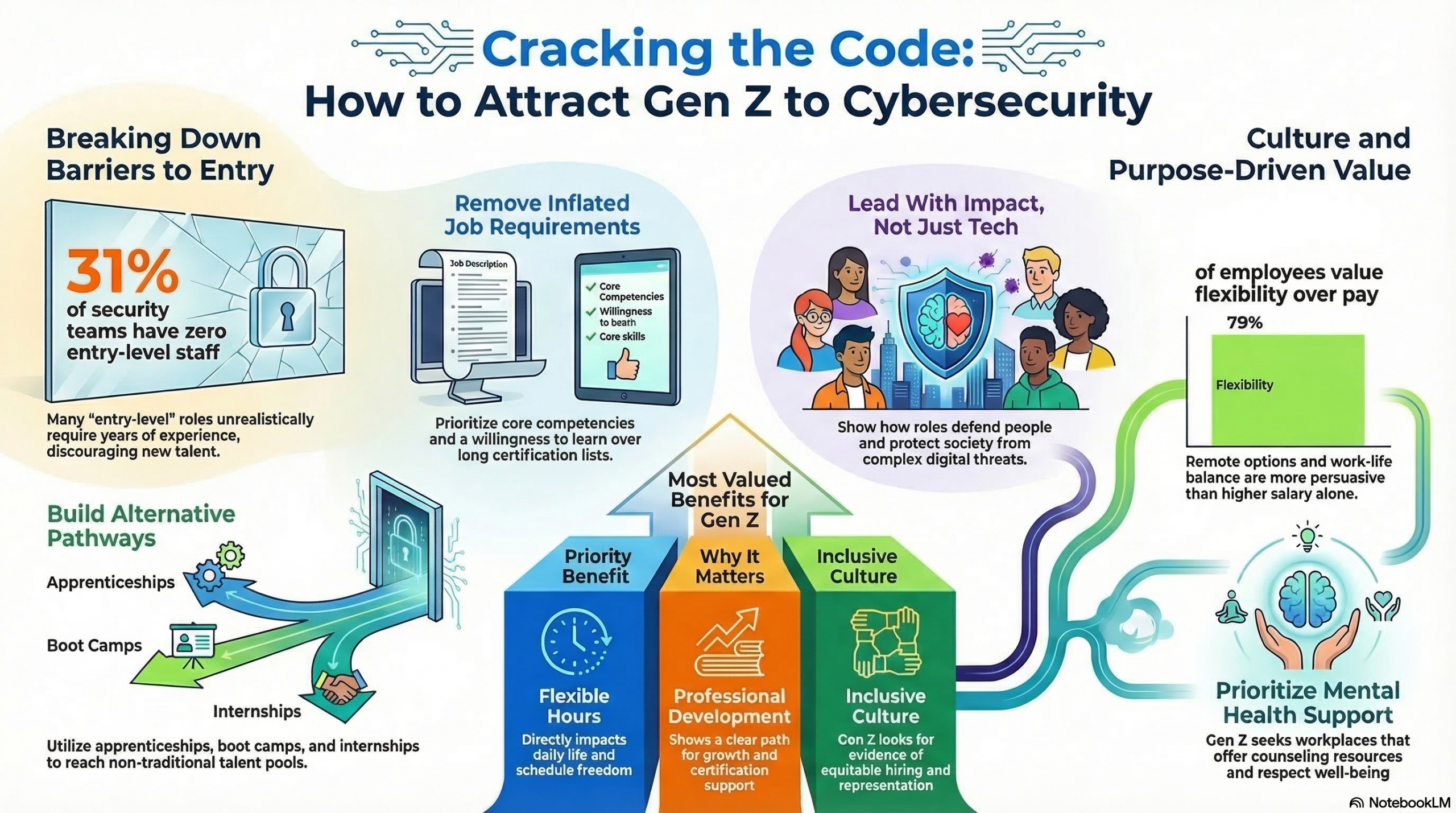
Gen Z often chooses work that feels meaningful. Rather than presenting roles as purely technical positions, employers should explain how cybersecurity teams defend sensitive data, prevent financial harm and help organizations stay safe where digital threats are growing more complex. That purpose-driven message can make cybersecurity more appealing to younger applicants who want their work to have a visible impact.
2. Open More True Entry-Level Roles
One of the biggest barriers facing Gen Z applicants is the lack of genuine entry points into the field. Many entry-level cybersecurity jobs still require years of prior experience, creating an obvious disconnect for recent graduates and career starters.
Studies found that 31% of security teams had no entry-level professionals and 15% had no junior-level professionals, which suggests many employers are underinvesting in early-career hiring. Companies that create real junior analyst, security operations, governance, risk, compliance or support-track roles can reach Gen Z talent before competitors do.
3. Remove Inflated Job Requirements
Cybersecurity employers often make recruiting harder than it needs to be by posting unrealistic qualifications. Overly strict degree requirements, long certification lists and broad technical expectations can discourage capable Gen Z candidates who may have the aptitude to succeed, but not every credential listed in a job post.
A better approach is to prioritize core competencies, problem-solving skills and willingness to learn. Employers should rethink expectations and widen pathways into the profession, especially at a time of a workforce gap. For many Gen Z applicants, a more accessible posting is the difference between applying and scrolling past.
4. Promote Flexibility Early
Flexibility has become one of the most important parts of a competitive offer for younger workers. Gen Z candidates are evaluating how a role fits into the life they want to build, including schedule freedom, remote work options and overall work-life balance. These perks make them feel valued, which is more preferable to 79% of employees than higher earnings.
Cybersecurity companies should make flexibility apparent in job descriptions, recruitment messaging and employer branding because it directly affects candidate interest.
5. Show a Clear Career Growth Path
Gen Z is often motivated by momentum. Many younger professionals want to know what they can learn, how they can advance and whether a company will invest in them over time.
Development is a strong recruiting advantage. Employers can attract qualified candidates by highlighting mentorship, structured training, cross-functional projects, certification support and promotion pathways from entry-level to more advanced cyber roles. In a field where new threats and technologies emerge constantly, professional growth is essential to long-term retention.
6. Take Mental Health and Well-Being Seriously
Cybersecurity can be rewarding, but it can also be high-pressure work. Long hours, incident response stress and constant need to stay alert can wear people down. Gen Z applicants are paying attention to whether employers genuinely support employee well-being.
Mental health support is among the major workplace priorities for Millennial and Gen Z employees. Cybersecurity companies can make their offers more attractive by clearly discussing the mental health benefits. They can offer access to counseling or wellness resources and build team cultures of respect and appreciation. For Gen Z, support systems often matter as much as compensation.
7. Build Alternative Pathways Into Cybersecurity
Not all Gen Z talent will come from the same educational background. Employers who rely on conventional pipelines risk missing strong candidates. Practical pathways such as internships, apprenticeships, boot camps and certification-based training can help younger people enter the field faster and more confidently.
8. Make Inclusion Visible and Credible
Gen Z tends to look closely at whether an employer’s culture matches its claims. Statements about inclusion are not enough on their own. Candidates want to see representation, equitable hiring practices and evidence of supporting different perspectives.
Employers can strengthen their appeal by using inclusive job language, showcasing diverse team members and making advancement opportunities visible to all candidates.
9. Be Specific About Benefits and Workplace Value
General claims about a competitive package are too vague to persuade most Gen Z applicants. Younger candidates respond better when employers explain exactly what benefits are available and how those benefits improve daily life, career development and financial stability. Here are several benefits that matter to Gen Z workers:
- Flexible work hours
- Mental health support
- Health insurance options
- Professional development
- Diversity and inclusion
Cybersecurity employers should use these insights to make benefit communication more precise and relevant.
10. Improve Digital Employer Branding
Gen Z researches employers the same way that many people research colleges or major purchases — online, thoroughly and quickly. A weak digital presence can make a company seem outdated or disconnected. A robust online brand can make cybersecurity careers feel more approachable and exciting.
Cybersecurity employers should treat recruitment content like a strategic asset. Career pages, employee spotlights, blog posts and practical guides can help candidates understand the field and picture themselves in it.
Gen Z in Cybersecurity
Attracting Gen Z talent in the cybersecurity industry requires more than updated job ads. It demands a shift in how employers present the field, structure entry-level hiring and communicate benefits.
Cybersecurity remains a high-demand field with an undersupplied labor market. Gen Z brings the digital fluency, adaptability and fresh perspective the industry needs. Employers that lead with purpose and create a flexible, growth-oriented workplace can win the next generation of cybersecurity talent.

As the Features Editor at ReHack, Zac Amos writes about cybersecurity, artificial intelligence, and other tech topics. He is a frequent contributor to Brilliance Security Magazine.
.
.
Additional Resource
Video Overview
Follow Brilliance Security Magazine on LinkedIn to ensure you receive alerts for the most up-to-date security and cybersecurity news and information. BSM is cited as one of Feedspot’s top 10 cybersecurity magazines.