Guest Contributor


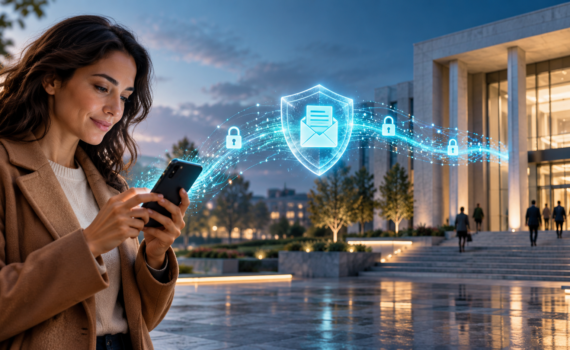
Citizens routinely share highly sensitive information with government agencies, from Social Security numbers and tax records to health data and benefits applications. As cyberthreats evolve and become more sophisticated, public sector organizations face pressure to abandon outdated communication methods, such as standard email attachments and unsecured file transfers. Protecting sensitive […]


How Secure Messaging Protects Sensitive Citizen Data


As remote and hybrid work become more common, many organizations adopt bring-your-own-device (BYOD) programs to give employees greater flexibility while supporting productivity. A well-designed BYOD policy helps establish clear expectations around device use, data protection and access controls.  However, failing to address key details during the policy creation process can […]

5 Pitfalls to Avoid When Writing a BYOD Policy


While healthcare consolidation in New Jersey aims to streamline operations and reduce costs, it unintentionally creates massive, interconnected targets for cybercriminals. As hospital systems merge and share IT infrastructure, addressing unique cybersecurity vulnerabilities created by unification becomes critical. These larger networks bring exponentially larger attack surfaces and compounding security risks. […]

Addressing Unique Cybersecurity Vulnerabilities Created by New Jersey Healthcare Consolidation


Individuals with fiduciary responsibilities are entrusted with access to confidential client information, financial records, investment portfolios and transaction authority. Because these privileged roles often control high-value assets and sensitive data, they have become prime targets for sophisticated cyber attacks. As digital threats continue to evolve, fiduciary cybersecurity has emerged as […]

Tackling the Unique Cyber Risks of Fiduciary-Level Access


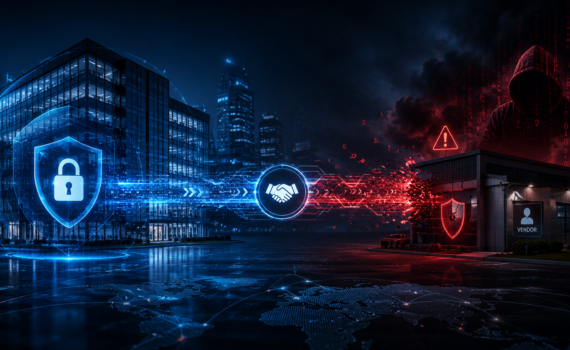
Modern organizations rarely operate in isolation. From cloud and managed service providers to payroll platforms and software vendors, third-party relationships have become essential to business efficiency. However, every external partnership introduces another point of vulnerability. When a vendor experiences a security failure, the consequences often extend beyond its own environment, […]

Why a Vendor’s Mistakes Become a Company’s Security Nightmare


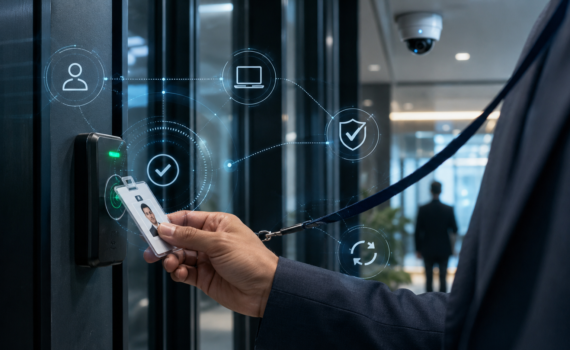
Enterprise security strategies prioritize digital defenses while overlooking the physical infrastructure that carries power and data. Exposed network cables are subject to environmental stress and deliberate sabotage, which can undermine even sophisticated cybersecurity measures. Cable infrastructure hardening addresses this vulnerability. Organizations seeking resilient operations can acquire protective sleeving from an […]

Why Cable Infrastructure Hardening Is a Critical Layer of Physical ...


The Cybersecurity Maturity Model Certification (CMMC) ensures that companies in the defense supply chain have the appropriate level of cybersecurity to protect sensitive government information. Explore five of the most common challenges companies face on their path to compliance and effective tips to help overcome them.  Why CMMC Compliance Matters […]

5 Common Challenges in Achieving CMMC Compliance


A hostile executive departure presents a fundamentally different risk profile than a typical employee exit. Senior leaders hold extensive system privileges and influence strategic decisions, giving them access to assets that can affect the entire organization. A poorly managed executive departure or hostile termination can create widespread cybersecurity exposure. Organizations […]

Are You Prepared for a Hostile Executive Departure?


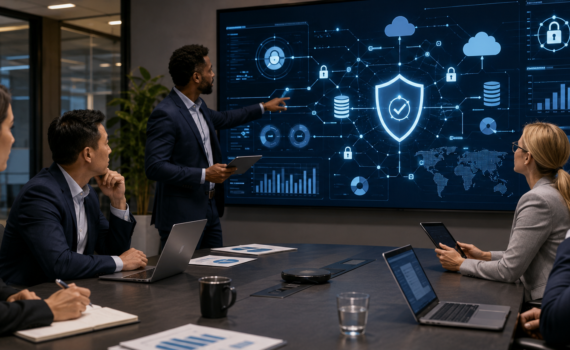
Third-party outsourcing helps expand operational efficiency, but it also introduces new layers of risk across security, compliance and financial integrity. System and Organization Controls (SOC) reports, particularly SOC 1 and SOC 2, help organizations evaluate external service providers through structured, independent assessments. Understanding their differences is essential for effective vendor […]

Understanding Third-Party Risk: What is the Difference Between SOC 1 ...


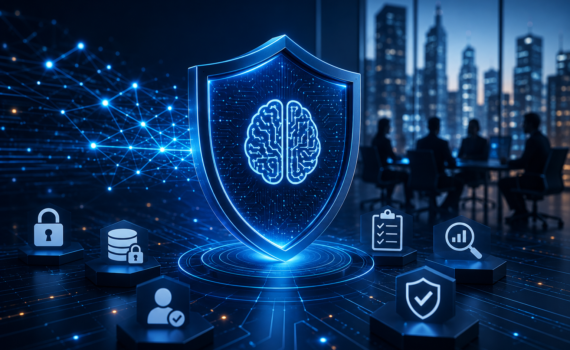
Organizations are rapidly adopting artificial intelligence (AI) to automate complex workflows and accelerate decision-making. However, the best approach for securing enterprise AI requires addressing new privacy and compliance challenges that traditional cybersecurity frameworks may not. This involves combining governance with advanced security controls and continuous risk management. What Are the […]

What Is the Best Approach for Secure Enterprise AI?